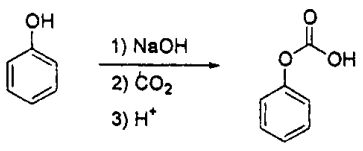
所屬科目:研究所、轉學考(插大)◆有機化學
1. Which of the following pairs of bases lists the stronger base first? (A) F⁻ > Cl⁻ (B) H₂O > HO⁻ (C) HO⁻ > H₂N⁻ (D) CH₃COO⁻ > HO⁻ (E) H₂N⁻ > CH₃COO⁻
2. Triethylamine [(CH₃CH₂)₃N] is a molecule in which the nitrogen atom is _______ hybridized and the CNC bond angle is _______.(A) sp³, 109.5° (B) sp², 109.5° (C) sp², < 109.5° (D) sp³, < 109.5° (E) sp, 109.5°
3. Which H atom in the molecule shown will be most readily abstracted by a bromine radical? (A) Ha (B) Hb (C) Hc (D) Hd (E) He
4. Which of the following reactive intermediates can best be described as both a nucleophile and an electrophile? (A) Carbocations (B) Carbanions (C) Carbenes (D) Free radicals (E) Alkanes
5. Are the compounds shown below best described as?
(A) Cis-trans isomers (B) Constitutional isomers (C) Not isomers (D) Geometrical isomers (E) None of the above
6. Which functional group below indicates the presence of two atoms connected by a triple bond? (A) Alkyne (B) Alkene (C) Nitrile (D) Ester (E) Both A and C
7. The structures below are: (A) Geometrical isomers (B) Conformational isomers (C) Constitutional isomers (D) Structural isomers (E) Both ( A )and ( D )
8. Which of the following reagents will react with propane to give 2-propanol? (A) H₂O/H₂SO₄ (B) MgOH (C) NaBH₄ (D) Br₂/H₂O (E) H₂O₂/Pt
9. Which of the following reagents can be used to prepare epoxide from alkenes? (A) MCPBA in methylene chloride (B) Peroxyformic acid in water (C) Formic acid in water (D) Peroxybenzoic acid in sodium hydroxide (E) Peracid in water
10. Which of the following best describes DDT? (A) A chlorocarbon used to decaffeinate coffee beans. (B) A polybrominated organic compound used as a herbicide. (C) A polychlorinated organic compound used as an insecticide. (D) Mixed alkyl halides used as an anesthetic. (E) Freon used as a foaming agent.
11. Sᴺ2 reactions usually proceed with: (A) Equal amounts of inversion and retention at the center undergoing substitution. (B) Slightly more inversion than retention at the center undergoing substitution. (C) Slightly more retention than inversion at the center undergoing substitution. (D) Complete inversion at the center undergoing substitution. (E) Complete retention at the center undergoing substitution.
12. Which of the following alkyl halides can produce only a single alkene product when treated with sodium methoxide? (A) 2-chloro-2-methylpentane. (B) 3-chloro-3-ethylpentane. (C) 3-chloro-2-methylpentane. (D) 2-chloro-4-methylpentane. (E) 2-chloro-3-ethylpentane.
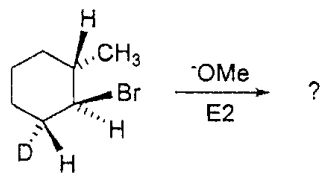
13. What would be the reaction product(s) from the following E2 reaction? (A) (B) (C) (D) (E) No reaction
14. Which of the following compounds are chiral? (A) I only. (B) II and III. (C) III and IV. (D) I and IV. (E) V only.
15. Which of the following solvents could be described as polar aprotic? (I) ethanol, (II) acetonitrile, (III) dimethylformamide, (IV) THF, and (V) diethyl ether. (A) I only. (B) II and III. (C) III only (D) I and III. (E) III and V.
16. Which of the following alcohols is not likely to yield a product where skeletal rearrangement occurred when treated with sulfuric acid? (A) 3-methyl-3-pentanol. (B) 3,3-dimethyl-2-butanol. (C) 2,2-dimethylcyclohexanol. (D) cyclopentylmethyl alcohol. (E) 2,3-dimethyl-butan-2,3-diol.
17. If a mixture contains 75% of one compound and 25% of its enantiomer, what is the e.e. of the mixture? (A) 100. (B) 75. (C) 50. (D) 25. (E) 3.
18. Rank the following species in order of decreasing acid-dissociation constant: methanol (I), ethanol (II), 2-chloroethanol (III), t-butyl alcohol (IV), and phenol (V). (A) V > IV > III > II > I (B) V > III > I > II > IV (C) III > V > I > IV > II (D) V > I > III > II > IV (E) III > IV > V > II > I
19. Which of the following compounds can be reduced by LiAlH₄ to form primary alcohol? (I) aldehyde, (II) ketone, (III) alkene, (IV) acid, (V) acetylene. (A) I only. (B) II only. (C) I and II. (D) I and IV. (E) IV only.
20. Which of the following statements about the heats of combustion of acetylene, ethene, and ethane is incorrect? (A) Acetylene is the best high-temperature flame. (B) Acetylene releases the most heat per mole of gas consumed. (C) Ethene produced the most heat per mole of gas consumed. (D) Acetylene produced the most heat per mole of products formed. (E) The oxyacetylene flame reaches temperatures as high as 2800 °C.
21. Which of the following methods can prepare aldehyde in high yield from primary alcohol? (A) Br₂, H₂O. (B) DMSO, (COCl)₂, NEt₃/CH₂Cl₂. (C) DIBAH. (D) KMnO₄, HO⁻. (E) LiAlH₄.
22. Which of the following statements about Lucas test is correct? (A) The reagent composed of HCl and ZnI₂ (B) Tertiary alcohols react faster than primary alcohol (C) Primary alcohols react by the Sᴺ1 mechanism (D) Primary alcohols react faster than tertiary alcohols. (E) Tertiary alcohols react by the Sᴺ2 mechanism.
23. Which of the species below is/are more basic than acetylide? (I) CH₃Li, (II) CH₃ONa, (III) CH₃MgBr, (IV) NaOH, (V) LAH. (A) I only. (B) II only. (C) III only. (D) I and III. (E) II and IV.
24. Which of the following compound(s) would be expected to show intense IR absorption at 3300 cm⁻¹? (I) CH₃C≡CCH₃, (II) butane, (III) but-1-ene, (IV) CH₃CH₂C≡CH, and (V) diethyl amine. (A) I and III. (B) III only. (C) IV only. (D) IV and V. (E) I, IV, and V.
25. What splitting pattern is observed in the proton NMR spectrum for the underlined hydrogens? CH₃OCH₂CH₂OCH₃ (underlined: CH₂) (A) Singlet. (B) Doublet. (C) Triplet. (D) Quartet. (E) Septet.
26. Which of the following compounds can probably be prepared by direct electrophilic substitution on a disubstituted benzene? (A) I, II, III, IV (B) I, II, IV, V (C) I, III, V (D) I, III (E) I, II, III, IV, V
27. Which of the above compounds would undergo electrophilic nitration most rapidly? (A) I (B) II (C) III (D) IV (E) V
28. Which of the above compounds would give predominantly a mixture of ortho and para nitration products? (A) I, II, V (B) II, III (C) I, III, IV, V (D) IV, V (E) None
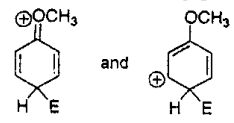
29. Which of the following statements concerning resonance and inductive effects is false? (A) π-bond is generally involved in resonance. (B) Inductive effect normally goes through σ-bond. (C) CH₃O group in CH₃OCH₂CH₂CO₂H is an electron-donating group. (D) CH₃CO₂⁺ is more stable than CH₃CH₂⁺ because of resonance. (E) m-Methoxybenzoic acid is more acidic than benzoic acid because of inductive effect.
30. Arrange the indicated hydrogen in order of increasing acidity (i.e., least acidic first). (A) I, III, IV, II (B) IV, II, I, III (C) I, III, II, IV (D) III, I, II, IV (E) None of the above.
31. Which of the following pairs is not a resonance structure? (A) (B) (C) (D) (E)
32. Arrange the following in order of increasing acidity (i.e., least acidic first). (A) III, I, II, V, IV (B) I, II, III, IV, V (C) V, IV, III, II, I (D) V, IV, II, I, III (E) I, IV, II, III, V
33. Which of the following molecules are aromatic compounds? (molecules a through j are shown as structures) (A) a, d, f, g, j (B) c, e, h, i (C) b, g, j (D) b, j (E) a, d, f, g
34. Which of the following would not readily undergo decarboxylation? (A) (B) (C) (D) (E)
35. Which of the following statements is false? (A) 2-Bromoethan-1-ol is more acidic than 2-chloroethan-1-ol due to inductive effect. (B) para-Methoxybenzoic acid is more acidic than para-cyanobenzoic acid due to resonance effect. (C) Aldol condensation reaction can be catalyzed in acidic or in basic condition. (D) Carbon-carbon double bond hydrogenation reaction using the catalyst, Pt on charcoal, gives the cis-addition product. (E) The K⁺ ion can be captured more efficiently than Na⁺ ion by 18-crown-6 ether.
36. Which of the following product(s) can be formed from the reaction below? (A) I, IV (B) I, II, V, VI (C) III, VI (D) II, IV (E) II, III, IV, V
37. The hydrolysis of an aromatic ester can readily occur upon treatment with NaOH in H₂O. The rate of the reaction depends on the electrophilicity of the carbonyl carbon. Which of the following substrates react at the fastest rate? (A) X = NO₂ (B) X = Cl (C) X = H (D) X = CH₃ (E) X = CH₃O
38. Which of the following reagents would be best for the reaction shown above? (A) CH₃MgCl (B) CH₃I (C) CH₃Li (D) CH₃MgBr (E) (CH₃)₂CuLi
39. Which of the following compounds exhibits absorption at the longest wavelength in the UV region? (A) 3-phenylpropene (B) 2-phenylpropene (C) benzene (D) n-propylbenzene (E) isopropylbenzene
40. Which of the Diels-Alder reactions above can not proceed? (A) I, III (B) I, II (C) III, IV (D) II, IV (E) II, III, IV
41. Which of the Diels-Alder reactions above occurs most rapidly? (A) I (B) II (C) III (D) IV (E) V
42. Which of the following descriptions are not true for amine chemistry. (I) Nitration of pyridine occurs at 4-position. (II) Gabriel synthesis is developed for making secondary amines. (III) Isocyanate is an intermediate of Hofmann rearrangement. (IV) Piperidine is a stronger base than pyridine (V) Reaction of an amide with lithium aluminum hydride affords a primary alcohol (A) I, II, V (B) II, III, IV (C) I, III, V (D) II, IV, V (E) I, III, IV
43. Which of the following descriptions are not true for carbonyl chemistry. (I) The side product of Wittig reaction is phosphine oxide.(II) Amides can be formed by reacting carboxylic acids with diazomethane. (III) Wolff-Kishner reduction is carried out under basic condition.(IV) Acetals are hydrolyzed under basic condition and stable under acidic condition.
(V) Friedel-Crafts alkylation is limited by multiple substitutions. (A) II, III (B) II, IV (C) I, III (D) IV, V (E) III, IV
44. Which of the following Diels-Alder reactions give the major product with the correct stereochemistry or regioselectivity?(A) I, II, III (B) I, III, IV (C) III, IV, V (D) I, II, III, V (E) I, V
45. Which of the following products for the reaction is correct?(A) (B)(C) (D)(E)
46. What is the major product from the following reaction? (A) (B) (C) (D) (E)
47. When an ¹⁸O-labelled ester is treated with NaOH in H₂O, carboxylic acid and alcohol are isolated. Which of the following statements is true? (A) ¹⁸O remains in both oxygen atoms of the carboxylic acid. (B) The solvent water should contain ¹⁸O. (C) ¹⁸O remains in the carbonyl oxygen only. (D) ¹⁸O remains in alcohol only. (E) ¹⁸O is found in both the carboxylic acid and the alcohol.
48. Which of the following is a suitable synthesis of o-methylphenol? (A) (B) (C) (D) (E)
49. What is the correct product in the following reaction?(A) (B)(C) (D)(E)
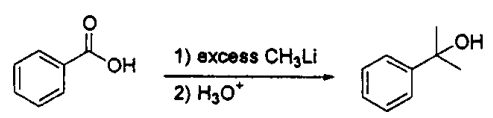
50. Which of the following reactions gives the correct product? (A) (B) (C) (D) (E)
 阿摩線上測驗
登入
阿摩線上測驗
登入
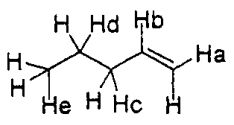 (A) Ha (B) Hb (C) Hc (D) Hd (E) He
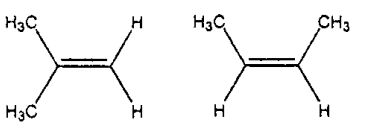 (A) Cis-trans isomers (B) Constitutional isomers (C) Not isomers (D) Geometrical isomers (E) None of the above
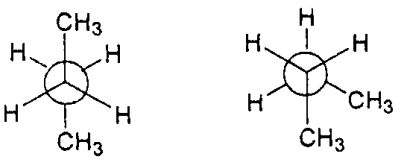 (A) Geometrical isomers (B) Conformational isomers (C) Constitutional isomers (D) Structural isomers (E) Both ( A )and ( D )
 (A)
(A) 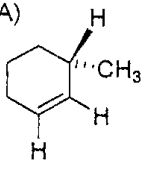 (B)
(B)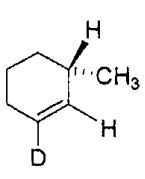 (C)
(C)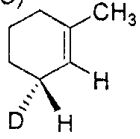 (D)
(D) 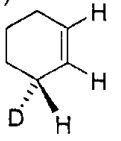 (E) No reaction
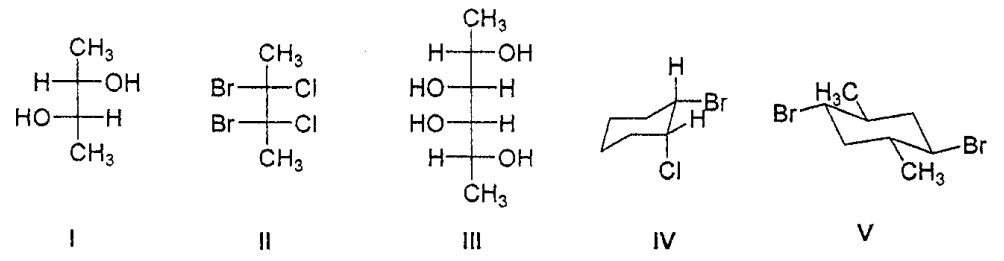 (A) I only. (B) II and III. (C) III and IV. (D) I and IV. (E) V only.
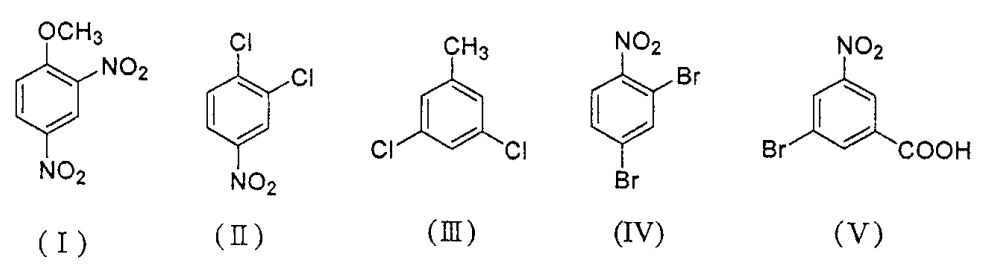 (A) I, II, III, IV (B) I, II, IV, V (C) I, III, V (D) I, III (E) I, II, III, IV, V
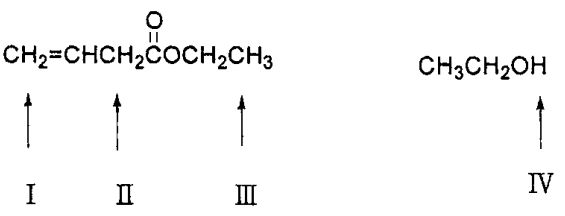 (A) I, III, IV, II (B) IV, II, I, III (C) I, III, II, IV (D) III, I, II, IV (E) None of the above.
 (B)
(B)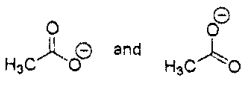 (C)
(C) 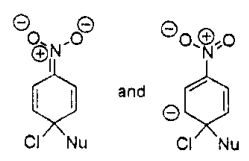 (D)
(D) 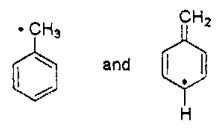 (E)
(E) 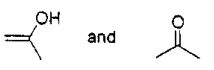
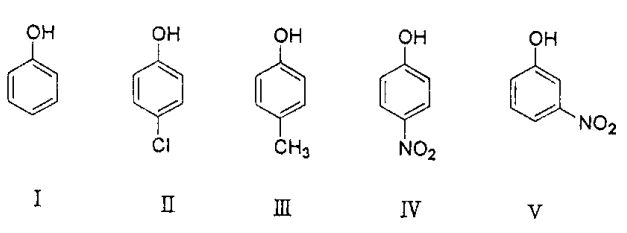 (A) III, I, II, V, IV (B) I, II, III, IV, V (C) V, IV, III, II, I (D) V, IV, II, I, III (E) I, IV, II, III, V
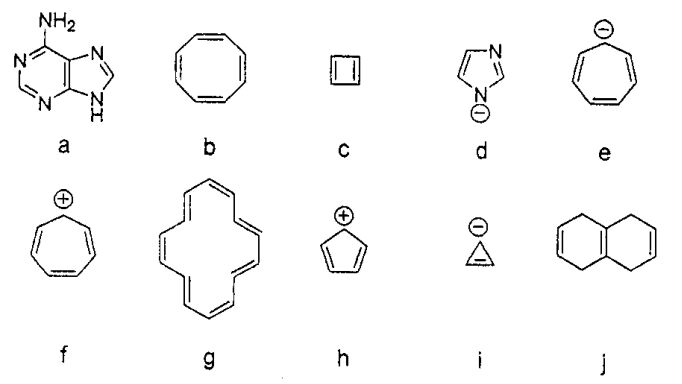 (A) a, d, f, g, j (B) c, e, h, i (C) b, g, j (D) b, j (E) a, d, f, g
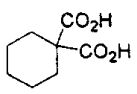 (B)
(B) 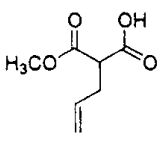 (C)
(C) 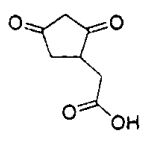 (D)
(D)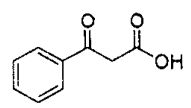 (E)
(E) 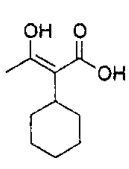
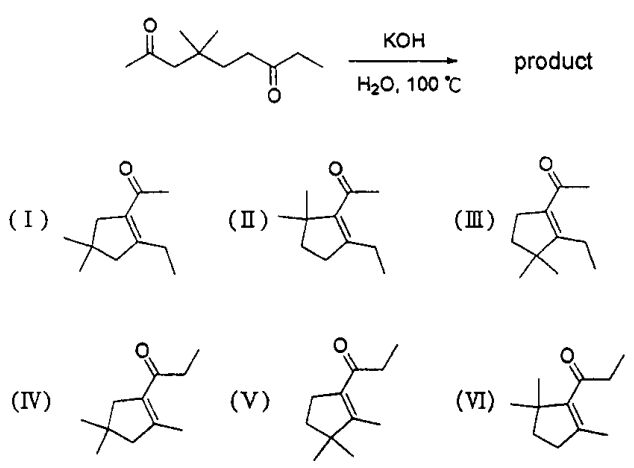 (A) I, IV (B) I, II, V, VI (C) III, VI (D) II, IV (E) II, III, IV, V
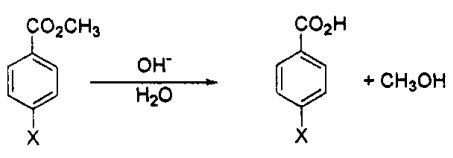 (A) X = NO₂ (B) X = Cl (C) X = H (D) X = CH₃ (E) X = CH₃O
 (A) CH₃MgCl (B) CH₃I (C) CH₃Li (D) CH₃MgBr (E) (CH₃)₂CuLi
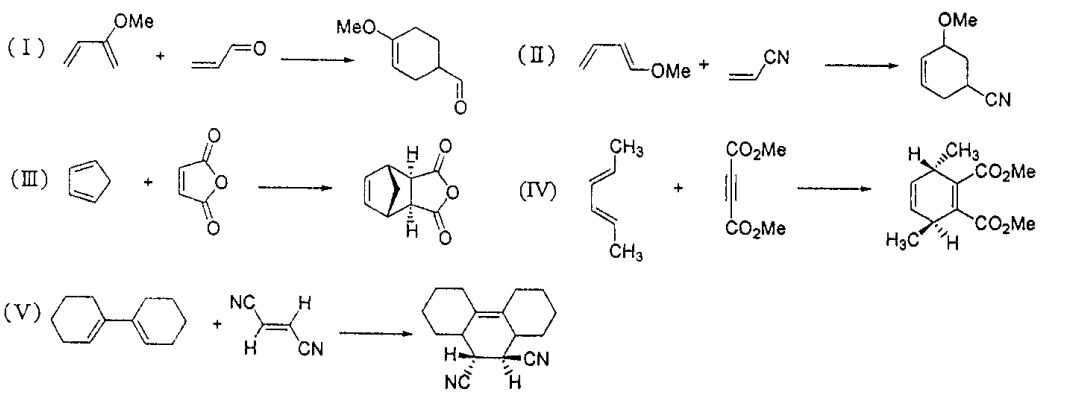 (A) I, II, III (B) I, III, IV (C) III, IV, V (D) I, II, III, V (E) I, V
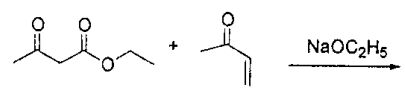 (A)
(A) 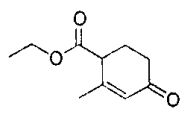 (B)
(B)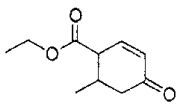 (C)
(C) 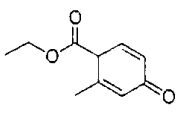 (D)
(D)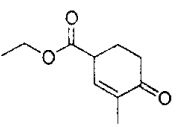 (E)
(E) 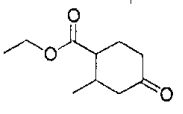
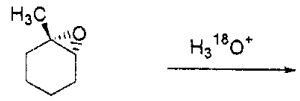 (A)
(A) 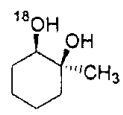 (B)
(B) 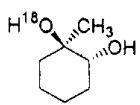 (C)
(C) 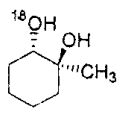 (D)
(D) 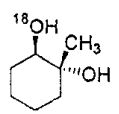 (E)
(E)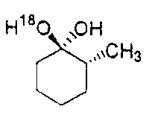
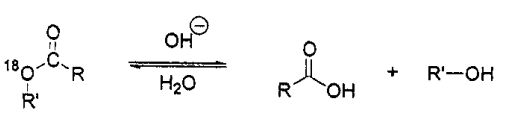 (A) ¹⁸O remains in both oxygen atoms of the carboxylic acid. (B) The solvent water should contain ¹⁸O. (C) ¹⁸O remains in the carbonyl oxygen only. (D) ¹⁸O remains in alcohol only. (E) ¹⁸O is found in both the carboxylic acid and the alcohol.
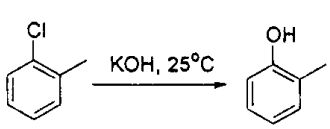 (B)
(B) 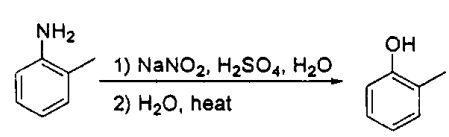 (C)
(C)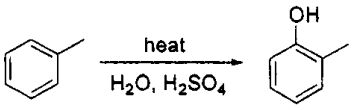 (D)
(D)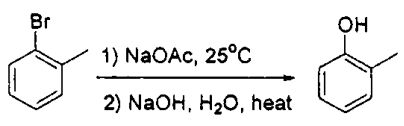 (E)
(E)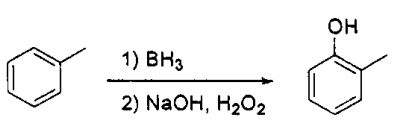
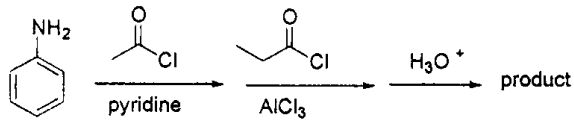 (A)
(A)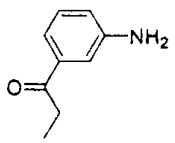 (B)
(B)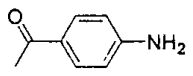 (C)
(C)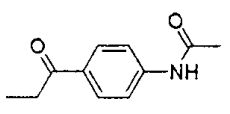 (D)
(D)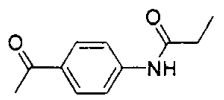 (E)
(E) 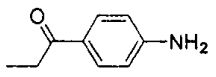
 (B)
(B) 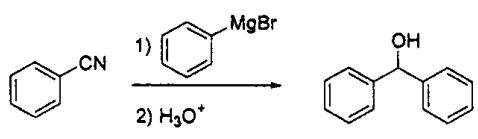 (C)
(C) 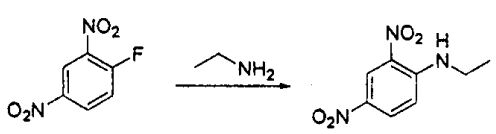 (D)
(D) 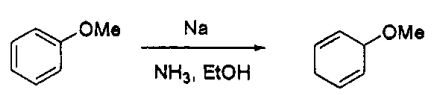 (E)
(E)